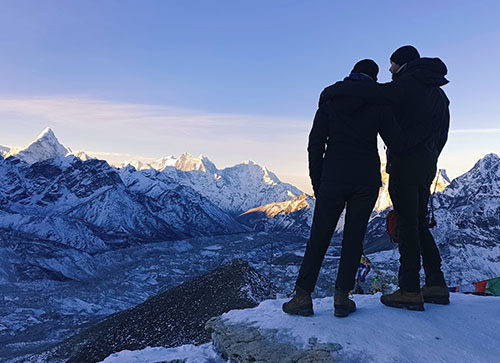
The Makalu Base Camp Trek is considered to be one of the most difficult trekking experiences available in Nepal, and this is not due to any climbing but because of the remoteness and the fact that the trek is long and involves difficult terrain and prolonged exposure to high altitudes.
This trek is located deep inside the Himalayas. Unlike the Everest Base Camp Trek or Annapurna Circuit, the Makalu Base Camp Trek offers relatively less-visited routes and basic tea houses to stay in. The trekking route also offers long walks, steep climbing, and high mountain passes, making it one of the most challenging routes to trek. However, for those who are determined and prepared, the experience can be one to remember from the Himalayas.
Knowing the level of difficulty of the Makalu Base Camp Trek goes a long way in preparing for the adventure, since this helps to determine whether this distant adventure is the right fit for the adventure goals of the person who wishes to go for the trek.
How Difficult is the Makalu Base Camp Trek?
The level of difficulty of the Makalu Base Camp Trek can be termed as demanding to challenging based on trekking experience, level of fitness, and previous exposure to high altitudes. The trek goes up to heights of over 4,500 meters and entails several days of continuous trekking in remote areas.
The trek involves steep ascents, rugged trails, river crossings, and challenging passes like Shipton La and Keke La. Although there is no need to have any mountaineering skills, the level of difficulty is higher due to the physically strenuous nature of the trek, lack of facilities, and unpredictable weather conditions.
- Trek Duration: 20–22 days.
- Maximum Elevation: 5,200 meters.
- Difficulty Level: Demanding.
- Suitable For: Experienced trekkers.
Key Factors That Make Makalu Base Camp Trek Difficult.
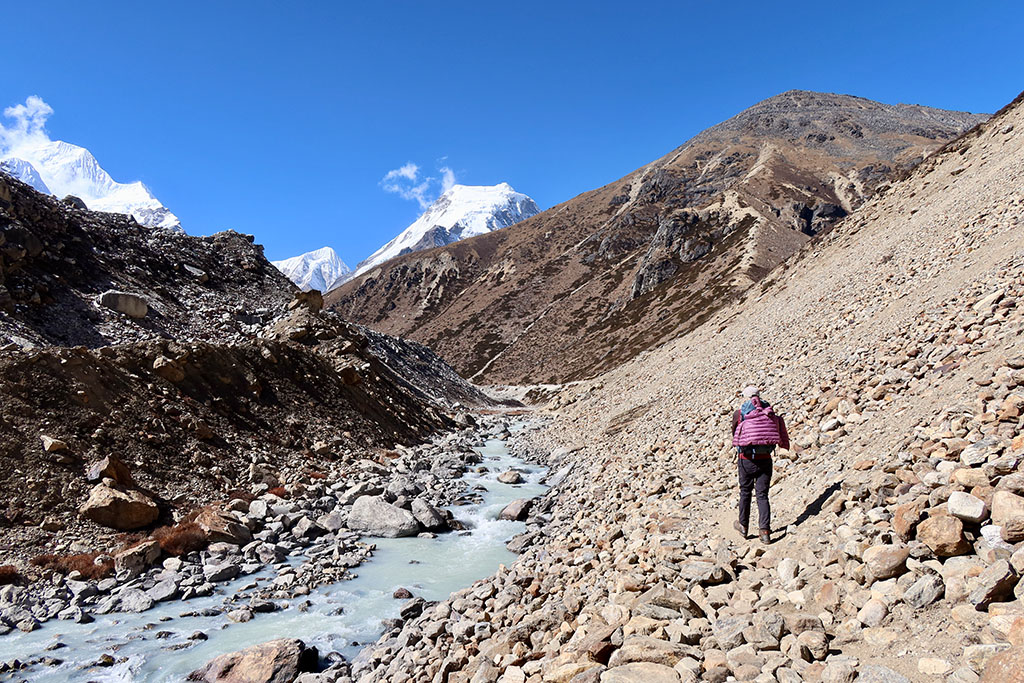
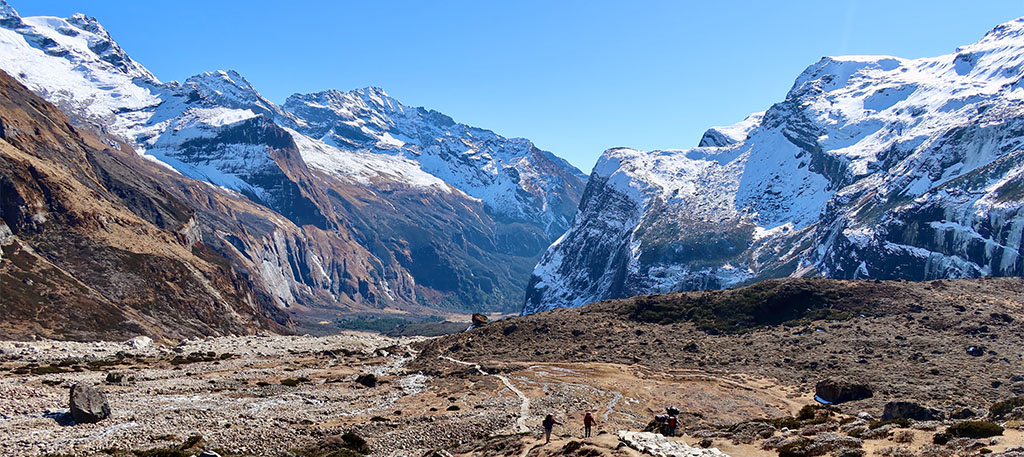
Walking through rocky and difficult terrain, trekking to Makalu Base Camp.
High Altitude and Acclimatization.
A crucial challenge on the Makalu Base Camp Trek is keeping ahead of the thin air. The route ascends gradually from low villages to altitudes above 4,500 meters, and skipping the subtle art of acclimatizing will bring on headaches, fatigue, and shortness of breath. The odds are that with the time given for acclimatization, it will minimize the chances of altitude sickness with deliberate acclimation stops, thinking of Khongma Danda and Makalu Base Camp.
Remote and Isolated Terrain.
The Makalu region sits among Nepal's more undeveloped trekking zones. Once you leave the busier lower villages, for long stretches, there are no settlements, scarce medical help, and few options for rapid evacuation. That isolation heightens both the physical grind and the mental strain, demanding strong self-discipline and solid preparation.
Long and Demanding Trekking Days.
Most days are 6 to 8 hours of trekking, sometimes pushing longer. Altitude combined with rugged climbs, rocky footing, and a constant upward and then again downward rhythm can sap energy and really put endurance to the test.
Rugged Trails and High Passes.
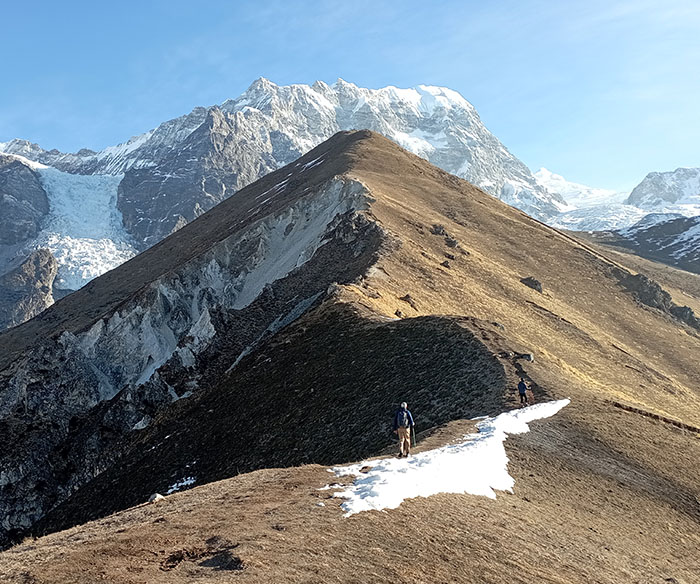
Uneven tracks, landslide-prone sections of the route, tight ridges, and rocky ground mark it. The crossing of Shipton La and Keke La requires a trekker to negotiate snow, gusty winds, and steep slopes, turning these sections into both a physical test and a mental challenge.
Basic Accommodation and Facilities.
Unlike other popular trek routes, teahouses in the Makalu Base Camp Trek remain simple and scarce. Not every teahouse offers hot showers, electricity, or a choice of meals. The adjustment to the simple living conditions can be another added level of difficulty.
Weather and Seasonal Challenges.
Weather can turn around quickly in the Himalayan highlands; cold snaps, strong winds, snowfall, and limited shelter complicate the journey, mainly in early spring and late autumn.
Is Makalu Base Camp Trek Suitable For You?
The Makalu Base Camp Trekking route is best for those who already have experience in multi-day treks, along with high-level fitness. This particular trekking route isn’t advisable for beginners who are undertaking this experience for the first time.
If you are okay with extensive walking hours, simple lodging, unpredictable weather, and spending too much time in the wilderness, then this trek can be very rewarding. Trekkers looking for solitude, nature, and an expedition-style trekking experience will find Makalu Base Camp very rewarding.
What to Expect in Terms of Difficulty for the Makalu Base Camp Trek?
Physical Endurance Required.
The Makalu Base Camp Trek requires a lot of physical stamina because of the long duration and the daily effort put in by the trekkers. They need to walk for 6 to 8 hours each day, and the trails are steep and involve constant climbing and descending in many places. In contrast to other popular treks, the trails in the Makalu Trek are steeper in many places, such as between Num and the Barun River and the high passes.
Also, at higher elevations, the lower concentration of oxygen makes a person tire even when walking moderately. Hauling a daypack, hiking over rocky trails, and dealing with the effects of altitude sickness all work together to provide a constant stress load to the legs and the cardiovascular system. For this reason, pre-peak physical conditioning, such as hiking, stair climbing, cycling, or endurance training, is highly recommended before attempting this trek.
Mental Resilience.
The importance of mental endurance cannot be overlooked when it comes to the Makalu Base Camp Trek, as physical fitness alone cannot suffice. The trek route goes through some extremely remote places with stretches of complete isolation and very little contact with other trek groups. There might be some repetition in the days, as similar scenes, simple food, and basic facilities might become part of the daily routine.
In contrast to other commercial trekking routes, there is little that will serve as a distraction or comfort zone that will break this pattern of activity. The trekker must be motivated despite low temperatures, unpredictable weather patterns, or slow rates of progress. A patient and positive attitude, along with resilience, is essential in order to complete this trek effectively.
Slower Pace and Acclimatization.
The Makalu Base Camp Trek is one that needs to be conducted at a slower pace than would be needed in low-altitude treks. Rapid ascent is avoided in order to minimize the risks associated with altitude sickness; hence, the distances that are traversed tend to be shorter but are quite physical.
The days of acclimatization, especially in Khongma Danda and Makalu Base Camp, are very important to allow the body to adapt to the conditions. Trekkers need to be prepared to trek slowly, take many breaks, and listen to their bodies rather than focusing on distance. Treating treks as races will increase health risks.
Minimal External Support.
This is one of the characteristics of the Makalu Base Camp Trek that it lacks any external support or infrastructure. Medical care, rescue operations, and communication lines become very limited once the trek leaves the lower villages. The evacuation process may be delayed due to weather patterns and the isolation of this area.
This makes it even more important for the trekkers to be well-prepared and physically fit. The need to rely on an expert guide and equipment becomes even more important, and this makes the entire experience quite serious in nature, unlike other routes.
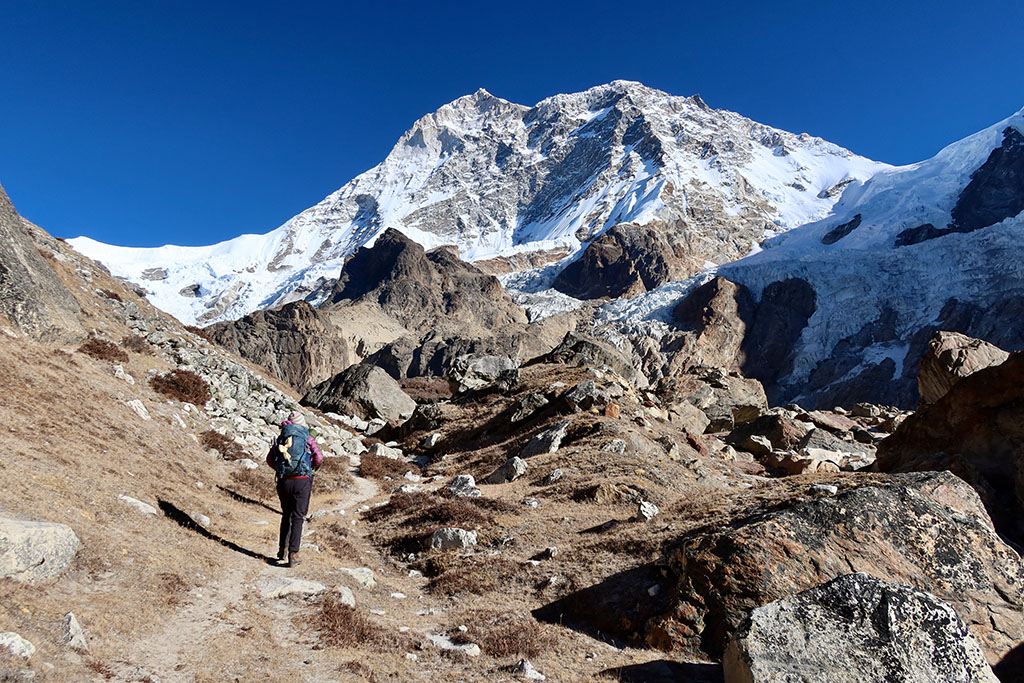
It was a challenging walk, but it is not a technical route. The view of Makalu from near Base Camp is stunning.
Challenging but Non-Technical.
However, the Makalu Base Camp trek is not a technical mountain climb and does not require the use of mountain gear such as ropes, harnesses, and ice axes. This is because the trek is a challenge of endurance and altitude.
A trekker with no experience in climbing can also have a successful trek if they have good physical fitness, trek experience, and the ability to handle difficult days. This requires determination and endurance, much more than technical skills.
Reward through Solitude.
It is rare to find trekkers on the Makalu Base Camp Trek, and this is the factor that contributes to the solitude that trekkers experience during the journey. This is because the Makalu Base Camp Trek is not like the Everest and Annapurna treks, where trekkers encounter other trekkers along the route.
For some, this is an added difficulty, but for others, this is the greatest benefit. The silence of the mountains, the scenic views, and the connection with nature are worth the trekking difficulties. This trekking route is best suited for those who prioritize nature over trekking in groups.
Gradual Adaptation to Harsh Altitude.
Life on the Makalu Base Camp Trek is simple and at times very inconvenient. The cold weather, especially at night, lack of heating facilities, simple food, and shared toilets will become common as one climbs higher.
The availability of hot showers, power outlets, and meal options will not be possible. Trekkers have to acclimatize to these factors. The key is to be flexible, patient, and ready for the minimum level of comfort. Those who learn to live simply usually handle the challenges of the trek much better.
Conclusion.
The Makalu Base Camp Trek is undoubtedly a challenging experience, but it also provides immense satisfaction to those who are ready to take it up. The reasons why it’s such a challenging experience are the high altitude, long duration, rugged terrains, and the fact that it’s a remote region, and it’s not a technical climb in any way.
However, with the right planning and acclimatization, the Makalu Base Camp Trek is a very achievable adventure. Those who rise to the challenge will be rewarded with unblemished landscapes and Himalayan giants. Completing one of the most challenging treks in Nepal is a rare occurrence.