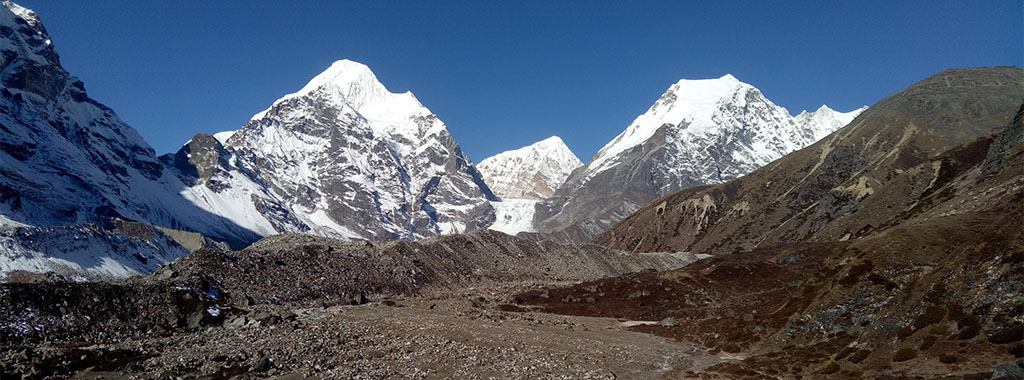
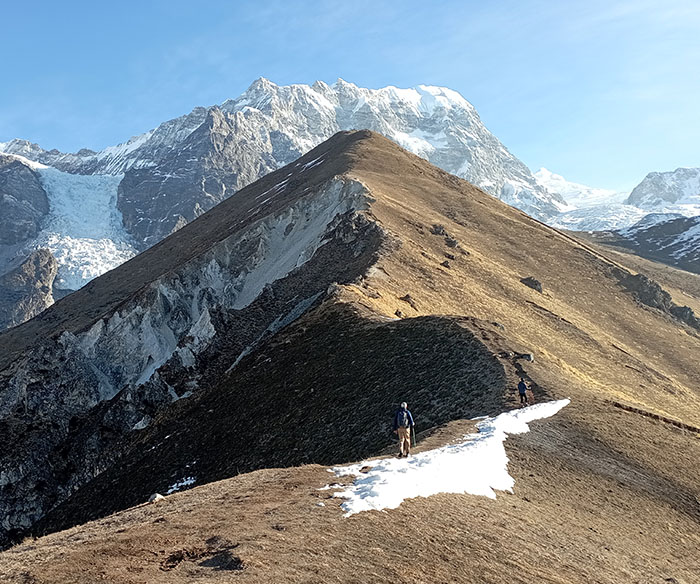
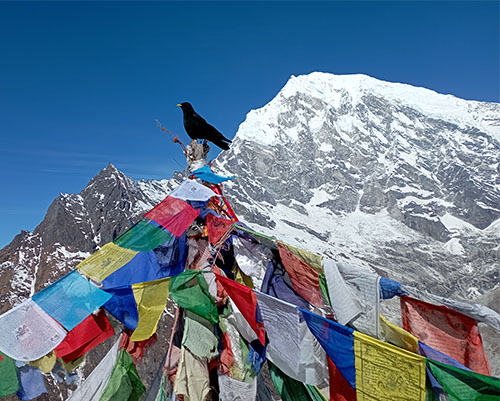
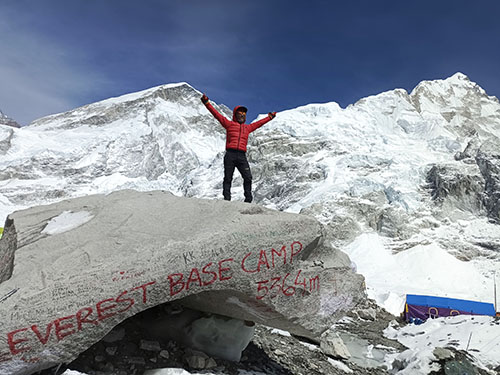
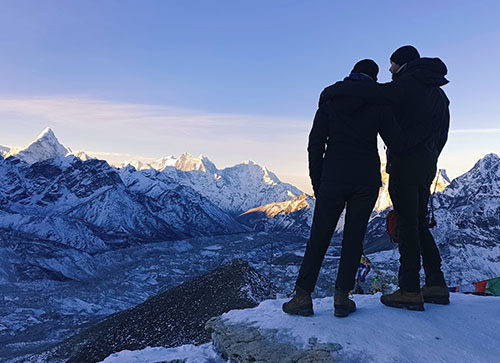
The Makalu Base Camp Trek is one of the most isolated, difficult, and breathtaking high-altitude trekking expeditions in Nepal, and it provides a unique experience of the unexplored Himalayan regions. Surrounding the world’s fifth-highest peak, Mt. Makalu (8,485 m), this less-visited trekking destination will lead you through unspoiled river valleys, rhododendron and bamboo forests, deep gorges, meadows, and high-altitude passes that are less visited by trekkers.
This ultimate guide to the Makalu Base Camp Trek is the most complete packing list available, covering all aspects of your trekking needs, including clothing, trekking equipment, personal effects, documents, medications, and comfort items. Whether you are an experienced trekker or embarking on your first adventure into the Himalayas, this list will ensure that you are always prepared and ready for one of the most incredible trekking adventures in Nepal.
Why is packing properly important for the Makalu Base Camp Trek?
The Makalu Base Camp Trek is more than just another Himalayan trek; it is a real wilderness adventure in one of Nepal’s most isolated and underdeveloped trekking areas. Preparation and the right equipment are absolutely crucial to your safety, comfort, and success on this trek. In contrast to more popular trekking routes like Everest Base Camp or Manaslu Circuit Trek, the Makalu area provides very limited infrastructure, few teahouse facilities, and no trekking shops available once you enter the trekking area. This is where preparation and the right equipment become absolutely crucial.
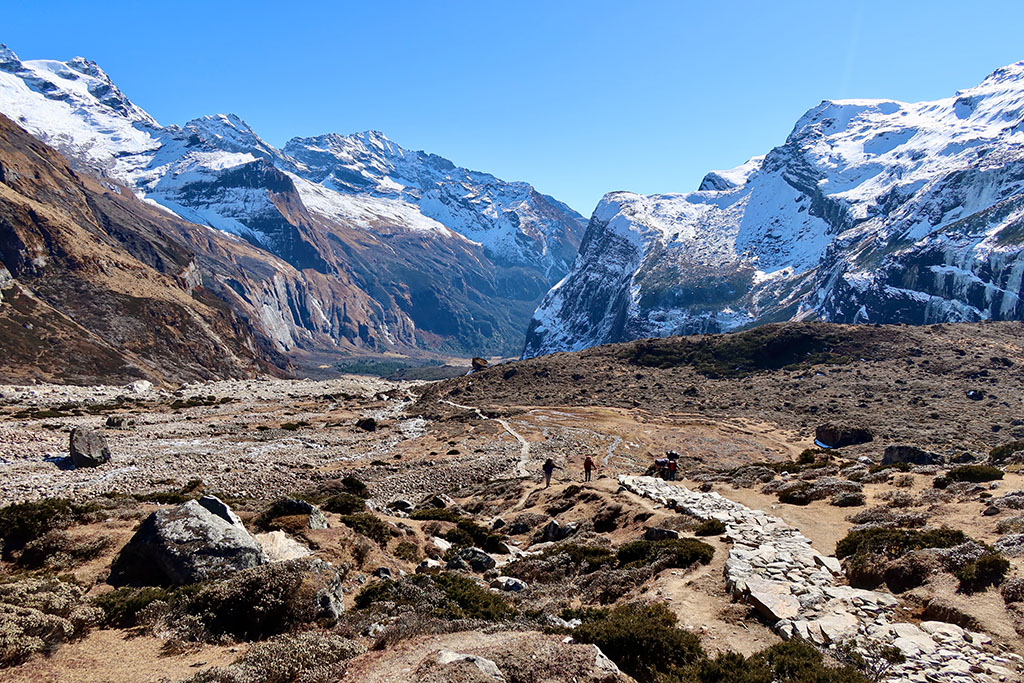
The beautiful Barun Valley is part of the trekking route to Makalu Base Camp in Nepal.
Extreme Remoteness and Limited Facilities.
However, once you move beyond the roadhead and into the Makalu Barun National Park, the villages are scarce, and the tea houses are simple. Beyond the lower villages, the availability of new clothing, medical supplies, batteries, or trekking equipment is nonexistent. Missing a crucial piece of gear can prove to be a serious problem since there is no way to acquire it on the trek.
Having Multiple Climatic Zones in a Single Trek.
The Makalu Base Camp Trek takes you through a variety of climatic conditions, ranging from warm and humid lowlands to cold alpine regions close to the base camp. While the temperatures during the daytime in the lower regions can be quite pleasant, the nights in the higher regions can be well below freezing temperatures. Dressing appropriately will help you cope with the temperature fluctuations.
Unpredictable High-Altitude.
The weather can change suddenly, especially in the higher regions. Sudden snowfall, rain, or wind can occur even during the peak trekking seasons. Having the right waterproof, windproof, and insulating clothing will protect you from hypothermia, frostbite, and exposure to harsh mountain conditions.
Long and Demanding Trekking Days.
The Makalu Base Camp trek is characterized by long treks, steep climbs, and descents, as well as river crossings. High-quality trekking boots, trekking poles, and trekking gear help minimize strain and the risk while trekking in Nepal.
High Altitude and Health Issues.
Reaching a height of almost 4,000 meters puts trekkers at risk of altitude sickness. Hydration systems, personal medications, energy snacks, and basic medical supplies help in acclimatization and maintaining energy levels throughout the trek.
Safety, Comfort, and Enjoyment.
Packing correctly allows you to focus on the incredible landscapes, rich biodiversity, and sense of isolation that make the Makalu Base Camp Trek so special. With the right equipment, you can trek confidently, sleep comfortably in cold conditions, and enjoy a safer and more rewarding Himalayan adventure.
Complete Packing List for Makalu Base Camp Trek.
Proper packing for the Makalu Base Camp Trek is all about preparing for extreme remoteness, changing weather, and demanding terrain. From warm lower valleys to cold alpine zones near the base camp, your gear must keep you protected, comfortable, and self-sufficient. Below is a detailed, section-wise packing list designed specifically for the conditions of the Makalu region Treks In Nepal.
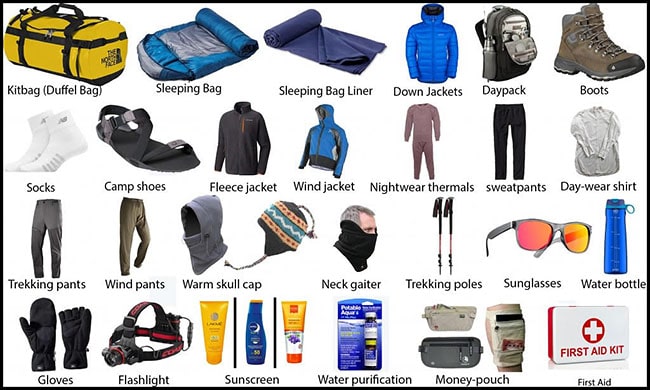
Complete Packing List for the Makalu Base Camp Trek in Nepal.
Clothing for Makalu Base Camp Trek.
Clothing forms the foundation of your trekking preparation, as the Makalu Base Camp Trek exposes you to a wide range of temperatures and weather conditions. The key is layering, using lightweight, moisture-wicking, and quick-drying fabrics that can be adjusted as conditions change. Cotton should be avoided, as it retains moisture and becomes uncomfortable in cold environments.
Base Layers (Moisture-Wicking)
Base layers are worn directly against your skin and play a crucial role in regulating body temperature and managing sweat. They help keep you dry during warm trekking days in lower altitudes and provide warmth in colder regions as you gain elevation.
Recommended:
- 2–3 moisture-wicking T-shirts
- 1–2 thermal base layer tops (for higher altitudes and cold nights)
- 1–2 thermal base layer bottoms
These layers are especially important in higher camps where temperatures drop rapidly after sunset, helping prevent chills and heat loss.
Mid Layers (Insulation)
Mid layers provide insulation by trapping body heat. Fleece or wool garments are ideal, as they offer warmth without adding excessive weight. On the Makalu Base Camp Trek, cold evenings and early mornings are common, making insulated mid layers essential.
Recommended:
- 1 lightweight fleece jacket
- 1 thicker fleece or wool sweater
- 1 high-quality down jacket for high altitudes.
A reliable down jacket is indispensable near Makalu Base Camp, where temperatures frequently fall below freezing, even during peak trekking seasons.
Outer Layers (Windproof & Waterproof)
Outer layers protect you from wind, rain, and snowfall. Given the unpredictable weather in the Makalu region, durable, waterproof, and windproof clothing is non-negotiable.
Recommended:
- Waterproof shell jacket (Gore-Tex or similar material)
- Waterproof trekking trousers
- Windbreaker or softshell jacket
These layers act as your primary shield against harsh weather and help maintain body warmth during storms and strong winds.
Trekking Pants & Shorts.
Trekking pants should be lightweight, breathable, and flexible, allowing comfortable movement on long and demanding trekking days. Quick-dry materials are best, as they dry fast after rain or sweat.
Recommended:
- 2 pairs of quick-drying trekking pants
- 1 pair of hiking shorts (optional, for lower and warmer sections)
Convertible trekking pants are also a practical option, offering flexibility and reducing overall packing weight.
Underwear & Sleepwear.
Comfort plays a big role during long-distance trekking. Quick-drying underwear minimizes friction and stays fresh longer, while proper sleepwear ensures warmth and comfort at night in cold teahouses.
Recommended:
- 4–6 pairs of quick-dry underwear
- Sports bras (for females)
- Warm, lightweight sleepwear
Avoid cotton underwear, as it retains moisture and can cause discomfort or chills.
Gloves, Hats & Accessories.
At higher altitudes, heat loss from the head and hands increases significantly. Proper accessories help protect against cold winds, snow, sun exposure, and dusty trails.
Recommended:
- Inner liner gloves.
- Insulated winter gloves.
- Warm beanie or wool hat.
- Sun hat or cap.
- Buff or neck gaiter.
Layering gloves is particularly useful, allowing flexibility in varying temperatures.
Footwear for Makalu Base Camp Trek.
Footwear is one of the most critical aspects of preparation for the Makalu Base Camp Trek. The trail includes rocky paths, muddy forest trails, steep ascents, narrow ridgelines, river crossings, and long descents. Proper footwear ensures stability, warmth, comfort, and protection, significantly reducing the risk of injury and blisters during long trekking days.
Hiking Boots.
Your trekking boots will be your most important piece of equipment throughout the journey. Choose sturdy, waterproof boots with good traction and ankle support. The varied terrain of the Makalu region demands reliable footwear that can handle both wet forest trails and icy alpine sections.
Recommended:
- Durable, waterproof trekking boots.
- High-ankle support for uneven terrain.
- Strong sole with good grip (Vibram or similar)
- Boots broken in for at least 2 weeks before the trek.
Never begin the Makalu Base Camp Trek with brand-new boots, as they can cause painful blisters and discomfort.
Socks.
Good-quality socks are essential for foot comfort and blister prevention. Wool or wool-blend socks regulate temperature, wick moisture, and remain warm even when damp.
Recommended:
- 4–5 pairs of trekking socks.
- 2 pairs of thick thermal socks for cold nights.
Changing socks regularly helps keep your feet dry and healthy during the trek.
Sandals or Camp Shoes.
After a long day of trekking, changing into lightweight sandals or camp shoes provides comfort and relaxation. They are also useful for short walks around teahouses or the bathroom at night.
Recommended:
- Lightweight sandals or camp shoes.
Gear & Equipment for Makalu Base Camp Trek.
Selecting the right trekking gear directly affects your comfort, safety, and overall trekking experience. Because the Makalu region is extremely remote, reliable and durable equipment is essential.
Backpacks & Duffle Bags.
You will carry a daypack with your daily essentials, while porters carry your main duffel bag. Comfort and proper fit are crucial to avoid shoulder or back strain.
Recommended:
- 35–45L daypack with padded straps and waist belt.
- Duffel bag 80L (provided by Visit Himalaya Treks)
- Rain cover for a backpack.
Sleeping Bag.
Accommodation in the Makalu region is very basic, and nights can be extremely cold, especially at higher elevations. A good-quality sleeping bag ensures warmth and restful sleep.
Recommended:
- Sleeping bag rated between -20°C and -30°C (depending on season)
Trekking Poles.
Trekking poles reduce pressure on your knees, improve balance, and provide support during steep ascents and descents. They are especially useful on rocky and uneven trails.
Recommended:
- Adjustable trekking poles with wrist straps.
Headlamp & Lighting.
Electricity is limited and unreliable in remote villages. A headlamp is essential for nighttime visibility, early morning starts, and trips to shared bathrooms.
Recommended:
- Headlamp with extra batteries or rechargeable option.
Sun & Hydration Essentials.
Strong UV rays at altitude make sun protection necessary, while proper hydration supports acclimatization and energy levels.
Recommended:
- UV-protection sunglasses.
- 2 reusable water bottles (1-liter each) or hydration bladder.
- Water purification tablets or a filter.
Personal Toiletries and Hygiene Products.
Personal hygiene during the Makalu Base Camp Trek is essential for comfort and health purposes. The teahouse facilities on the way are basic with limited facilities in the toilets, and there are also cold showers and bucket hot showers in some places that require additional payment. It is essential to consider personal hygiene items to stay clean during the trek.
Carry biodegradable toiletries, when possible, to leave as little environmental impact as possible in the Makalu Barun National Park. Wet wipes are always an asset on days when there is no shower, and a quick-drying towel is also a must, as the cold climate makes drying difficult. Sunscreem and lip balm containing SPF are always necessary to protect your skin from the strong UV rays of the high-altitude climate, and hand sanitizer is also a must before meals or when using public restrooms.
Recommended:
- Biodegradable soap and shampoo.
- Toothbrush and toothpaste.
- Deodor.
- Wet wipes and tissues.
- Quick-drying travel towel.
- Sunscreem (SPF 30+ or higher.
- Lip balm that has SPF protection.
- Hand Sanitizer.
- Small mirror and basic grooming items.
- First Aid Kit & Personal Medications.
While a basic first-aid kit can be expected to be carried by your trekking guide, it is imperative that you carry personal first-aid kits, especially in a very remote location in Nepal. The trek to the base camp of Mount Makalu goes to a high altitude, which can cause symptoms of altitude sickness, and there are no medical facilities.
Carry altitude sickness medicine such as Diamox (Acetazolamide), as well as pain relievers for headaches and muscle aches. Blister care items are also significant, considering the long trekking days. If you are on prescription medications, make sure you have enough for the trekking period and additional days in case of delays.
Recommended:
- Diamox (Acetazolamide)
- Pain Killers (ibuprofen or paracetamol)
- Blister care (band-aids, moleskin.
- Rehydration salts or electrolyte tablets.
- Cold & Flu Medication.
- Anti-acid or anti-stomach tablets.
- Personal prescription medications.
- Small first-aid pouch:
Proper medical preparation enables you to handle any minor problems that may arise quickly, so they do not become major ones during the trek.
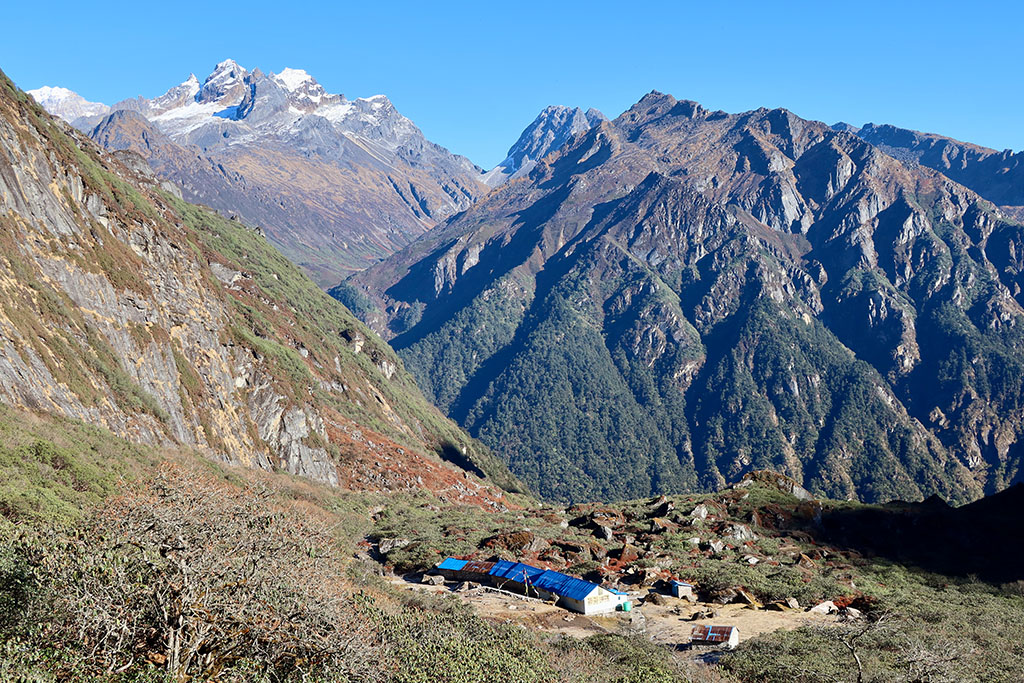
Basic local tea house, Dobate, located on the route to the Makalu Base Camp Trek.
Travel Documents, Permits & Money.
The Makalu Base Camp Trek is situated in the Makalu Barun National Park, and trekkers need to have their permits and identity cards at all times. Proper management of documents is necessary to ensure a smooth passage at checkpoints and safety in remote areas.
The required permits will be organized by Visit Himalaya Treks, such as the entry into Makalu Barun National Park and the TIMS Card. However, it is necessary that your passport, insurance, and photocopies of all necessary documents are with you at all times. There are no ATMs after the starting point of the trail, and credit cards are not accepted in teahouses.
Recommended:
- Passport.
- Makalu Barun National Park Permit.
- Photocopies of important documents.
- Waterproof document pouch.
- Nepalese local currency.
Electronics & Accessories.
The further you trek into the region of Makalu, the less reliable the electricity supply. Charging points may also be slow or only available for an additional charge. This way, you can make sure that your necessary devices will still be working.
The cold climate, as well as the higher altitudes, tends to drain the batteries of cameras and mobile phones quickly. To protect electronics from moisture, dust, and damage, waterproof pouches or ziplock bags can be used. Although electronics increase convenience and documentation of the trek, they must always be packed, keeping in mind protection and backups.
Recommended:
- Power bank.
- More camera batteries.
- Universal Travel Adapter.
- Camera and protection case.
- More memory cards.
- Charging cables are Waterproof or padded electronics cases.
Conclusion.
Getting the right packing for the Makalu Base Camp Trek is one of the cornerstones of a safe, comfortable, and successful high-altitude adventure. Far-flung in the Himalayas, this route requires self-reliance, grit, and careful planning- facilities are few, and weather can flip in an instant. Imagine packing warm, layered clothing, solid trekking boots, essential documents, personal medicines, and dependable gear. Every item in your pack plays a role in moving you through the wild and spectacular terrain of the Makalu region.
This detailed Makalu Base Camp Trek packing list, teamed up with expert support from Visit Himalaya Treks, helps you get ready with greater confidence to take on the challenges on the road ahead. Proper packing allows the trekker to enjoy the pristine forests, the dramatic valleys, and the sweeping views of Mt. Makalu without discomfort or risks. Whether you're crossing quiet mountain villages or standing at Makalu Base Camp among towering peaks, proper gear helps you to go on a trek safer, stronger, and with more comfort, making for a once-in-a-lifetime voyage absolutely unforgettable.