Planning for the Makalu Base Camp Trek involves more consideration than planning for other trekking routes in Nepal. Since the Makalu region is remote, of high altitude, and lacks infrastructure, planning the right itinerary is even more important for your safety and comfort during the trek. An appropriate itinerary will allow for acclimatization, trekking days, and flexibility in case of weather or fitness issues.
Unlike other popular trekking routes, the Makalu Base Camp Trek does not have multiple teahouse options available at short intervals. As soon as you enter the high-altitude Barun Valley, your choices will be limited. This is where planning your itinerary becomes even more crucial. Whether you are an experienced trekker or someone who wants to successfully complete this challenging trek, knowing how to plan your itinerary will make all the difference.
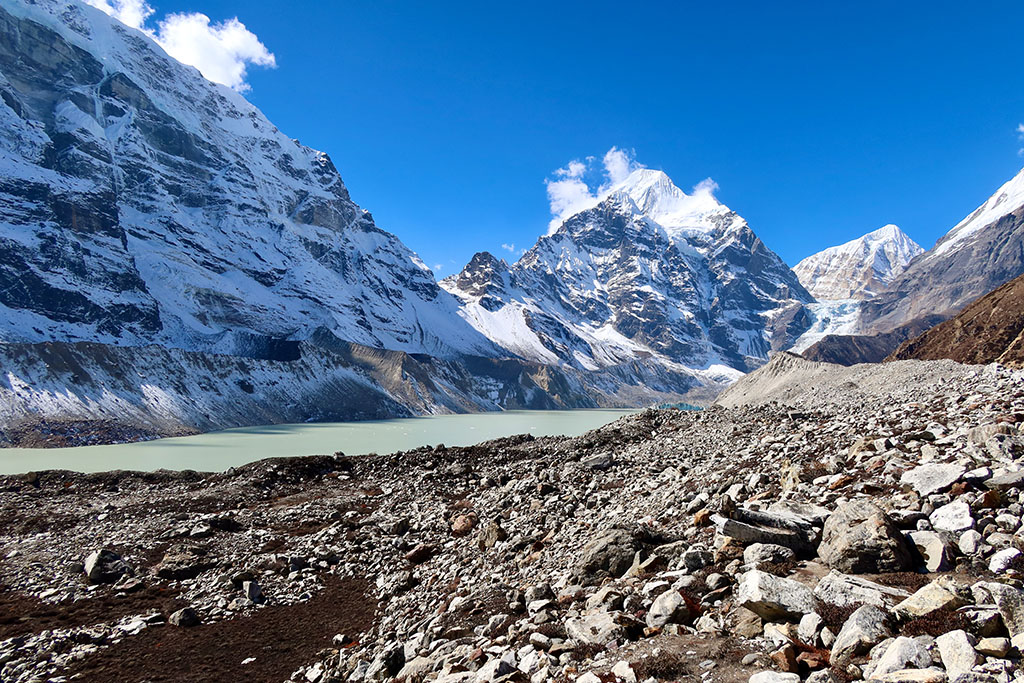
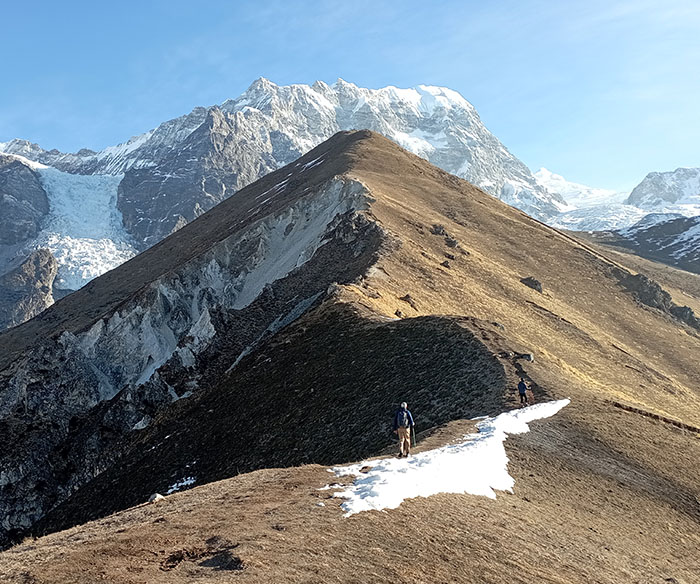
Glacier Lake, located on the way to the Mount Makalu Base Camp Trek in Nepal.
Why Itinerary Selection Matters for Makalu Base Camp Trek?
The Makalu Base Camp Trek is a long and challenging trek that takes a minimum of 20 to 22 days. The trek is not only high but also very rugged. A trek that is too rushed will result in either altitude sickness or exhaustion, while a trek that is too tightly packed will not leave time for rest or waiting out the weather.
An appropriate itinerary will ensure that the gain in elevation is gradual, there is adequate acclimatization, the number of walking hours is balanced, and the transition from one climatic zone to another is smooth. With a properly planned route, trekkers will also have time to appreciate the beautiful scenery of the Makalu Barun region.
Standard Makalu Base Camp Itinerary (21-22 Days)
The best trekking route to Makalu Base Camp takes approximately three weeks and is recommended for those who seek a balanced trek. This route involves a lot of elevation gain from Tumlingtar to Num, Seduwa, and Tashigaon, followed by acclimatization at Khongma Danda before crossing the passes.
The standard itinerary also includes an additional exploration day at Makalu Base Camp for glacier walks and nearby viewpoints. This strategy helps avoid altitude risks while still allowing trekkers sufficient time to acclimate and enjoy the Barun Valley. This is the best and safest option for most trekkers.
Shorter Itinerary: Is it a Good Idea?
There are some trekkers inquiring about the Makalu Base Camp trek, and they come with a question: can they fit the trek into fewer days? From a technical standpoint, yes, they can, but to be honest, it’s not the best trek itinerary for most trekkers to take the Makalu Base Camp trek in fewer days because when they do, they get to spend more time trekking and less time getting accustomed to the altitudes, which leads to a higher chance of altitude sickness, fatigue, or forced trek interruption.
This is only possible for a short period of time, and only highly experienced trekkers with sufficient high-altitude acclimatization under their belts. But in this case, the inaccessibility of Makalu makes it highly risky. It would be more advisable to trek slowly on this trek.
Importance of Acclimatization Days.
Acclimatization is important for planning a Makalu Base Camp trek. Resting appropriately at Khongma Danda and Makalu Base Camp allows your body to adapt to less oxygen. Missing or short-changing your acclimatization process saves time but is a huge risk for Acute Mountain Sickness. Priorities should be on health over 4,000 meters.
Daily Walking Distance and Trekking Hours.
A proper itinerary for Makalu Base Camp includes organized treks balanced by sufficient pause times to avert exhaustion. All days are usually around 6 to 8 hours long. Long-range treks are done on days when passes are to be crossed. Long ranges may discourage the trekkers.
Well-planned itineraries will help to distribute the load evenly, thereby ensuring that the energy levels remain consistent throughout the day and that proper recovery takes place every night.
Seasonal Considerations and Itinerary Flexibility.
The weather is a major factor that significantly influences planning while reaching the Makalu Base Camp. Spring and autumn are the best times to visit the region. However, even at such times, the weather change can impact the passes and flights. Flexible planning and having buffer days are very helpful while touring a region as remote as the Makalu region.
Choosing Between Teahouse and Camping-Based Treks.
The Makalu Base Camp Trek route provides basic teahouse accommodations and a limited food menu. Trekking with groups of more than 5 -6 people requires full camping support staff.
Trekkers should select their trekking options based on their expectations and experience. Camp-based trekking is more flexible and comfortable in remote areas. Teahouse-based trekking is easier and has fewer options in higher regions.
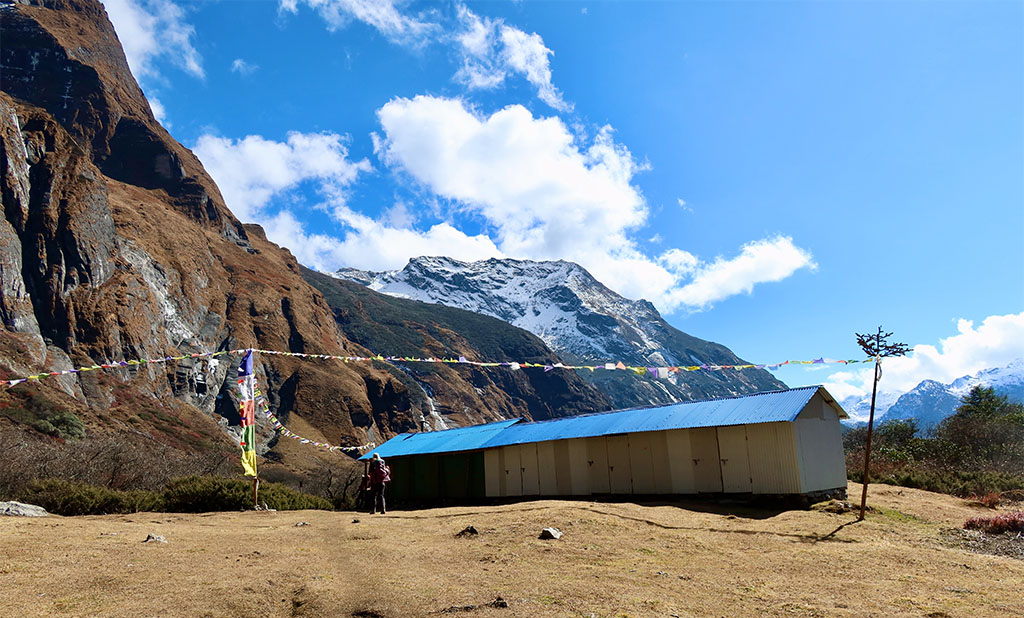
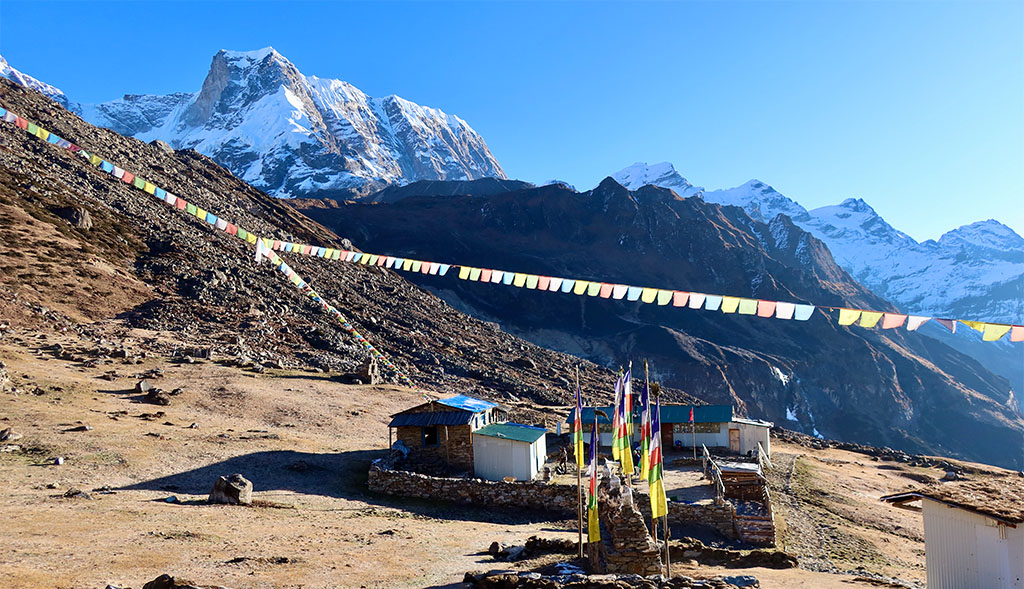
A local tea house located along the route to the Makalu Base Camp Trek in Nepal.
Matching the Itinerary with Your Experience Level.
Your trekking experience will greatly impact the itinerary that you choose. First-time trekkers at high altitudes should select an itinerary that is longer and has more days of acclimatization. Experienced trekkers who have already trekked through remote routes in the Himalayas can choose slightly shorter itineraries.
It is important to be truthful about your fitness level and previous trekking experience to ensure that the trekking itinerary is appropriate for your ability.
How Visit Himalaya Treks Helps You Choose the Right Itinerary?
Visit Himalaya Treks’ Makalu Base Camp trekking itineraries are designed with emphasis on safety, acclimatization, and trekking distances. The itineraries can be customized depending on one’s fitness level, time of year, and preferences.
With local knowledge and experience in the Makalu region, Visit Himalaya Treks will ensure that your trek itinerary enables you to enjoy your trekking experience at a comfortable pace while effectively managing the challenges of altitude and remoteness.
Some Practical FAQs.
What is the best number of days to spend on the Makalu Base Camp Trek?
The Makalu Base Camp Trek should be done in 20 to 22 days. This will include the days of arrival and departure, as well as acclimatization days. This will give the trekkers time to acclimatize to the terrain of the Makalu Barun region. If the trek is done in less time, there are chances of altitude sickness and exhaustion. It will also be more comfortable to trek for a longer period of time.
Can the itinerary for the Makalu Base Camp trek be shortened?
Yes, the itinerary of the Makalu Base Camp Trek can be shortened, but it is not recommended for most trekkers. Shortened itineraries are only recommended for highly experienced trekkers who have experience with high-altitude treks above 4,000 meters. Shortening rest days and acclimatization hikes will increase the chances of altitude sickness and may cause trekkers to abandon the trek in the middle.
Why is acclimatization so important in the Makalu Base Camp Trek?
Acclimatization is important for several reasons. First of all, it is a precondition that above 4,000 meters, the altitude is higher, and the oxygen is low. This is where acclimatization days are so important because they allow your body to adjust to the conditions and decrease the chances of Acute Mountain Sickness. If you opt to miss the acclimatization days, then be prepared to face the consequences of headaches, vomiting, dizziness, or even HAPE and HACE.
Is the Makalu Base Camp trek suitable for beginners?
Not really. Unless you are a fitness enthusiast and have previous trekking experience and adequate preparations, it’s not such an easy trek. You’ll be dealing with long days of trekking on rough terrain and limited infrastructure at high elevations. If you’re a trekking newbie, you may consider embarking on a longer trek with additional acclimatization days or a less arduous trek before attempting Makalu Base Camp.
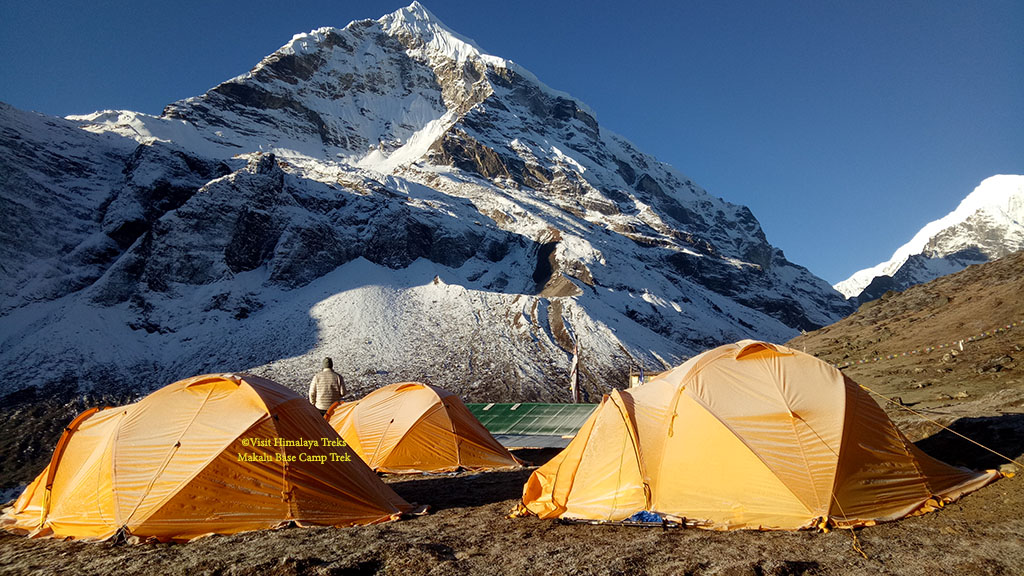
Visit Himalaya Treks Group campsite at Langmale Kharka on the way to the Makalu Base Camp trek in Nepal.
How is the remoteness factor reflected in the itinerary?
The Makalu region is one of the most remote trekking areas in Nepal, with limited access to transportation, medical facilities, and communication services. Because of this remoteness, itinerary planning must include buffer days for weather delays, trail conditions, and emergency situations. A well-planned itinerary ensures flexibility and reduces stress in unpredictable mountain conditions.
Can I customize my Makalu Base Camp itinerary?
Yes, the Makalu Base Camp trekking itinerary can be completely customized according to your fitness level, trekking experience, time available, and personal preferences. Customized itineraries may include extra rest days, side trips, cultural experiences, or a more leisurely pace. Hiring a professional trekking agency will ensure that your customized itinerary is practical, safe, and meets your expectations.
What may happen if I select the incorrect itinerary for the Makalu Base Camp Trek?
The wrong choice of trekking itinerary, particularly one that is too short or too challenging, may result in altitude sickness, exhaustion, or having to abandon the trek. The right choice of trekking itinerary will always put health and safety first.
Are there any weather conditions that influence the itinerary of Makalu Base Camp?
Yes, the weather is an important factor in making the itinerary for the Makalu Base Camp Trek. Unpredictable weather patterns, especially during the shoulder seasons of spring and autumn, may lead to delays in flights, blocked trails, or poor visibility. Having a flexible itinerary with buffer days helps trekkers change their plans without sacrificing safety and important sights.
Is it better to follow a standard itinerary or a private itinerary?
A standard itinerary is the best option for trekkers who want a tested and safe route with proper acclimatization. A private itinerary, on the other hand, provides more flexibility, comfort, and personalized trekking. Private itineraries are best suited for families, experienced trekkers, photographers, or trekkers who want a more relaxed trekking experience.
Conclusion.
Selecting the appropriate itinerary for your Makalu Base Camp journey is critical to the success of your Makalu Base Camp adventure. An appropriate itinerary will ensure that you acclimatize well and have sufficient trekking days to enjoy the beauty of the isolated Makalu Barun region.
Instead of being centered on speed, the best itinerary is one that is balanced, well-prepared, and respectful of the challenges of high-altitude trekking. With proper planning and choosing an expert agency like Visit Himalaya Treks, the Makalu Base Camp Trek can be an extremely rewarding experience in one of the most unexplored regions of the Himalayas in Nepal.