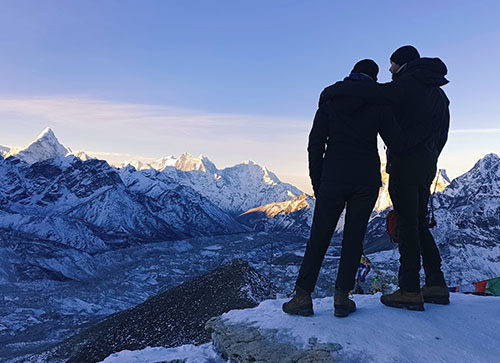
The Langtang Valley Trek is one of the most beautiful and culturally rich trekking adventures in Nepal. Located north of Kathmandu near the Tibetan border, the Langtang region offers breathtaking mountain landscapes, traditional Tamang villages, Buddhist monasteries, yak pastures, glaciers, and stunning Himalayan scenery. One of the most important factors for a successful Langtang Valley Trek is choosing the best time of the year.
Every season in Langtang offers a unique trekking experience. Spring brings blooming rhododendron forests and moderate weather, autumn provides crystal-clear mountain views and stable conditions, winter offers peaceful snowy landscapes, while the monsoon transforms the valley into a lush green paradise with occasional rain and cloudy skies.
Understanding the weather, trail conditions, visibility, and cultural atmosphere of each season helps trekkers select the perfect time for their Himalayan adventure. Whether you are looking for the best mountain views, fewer crowds, colorful landscapes, or cultural festivals, the Langtang Valley Trek can be enjoyed throughout different times of the year, depending on your preferences and trekking experience.
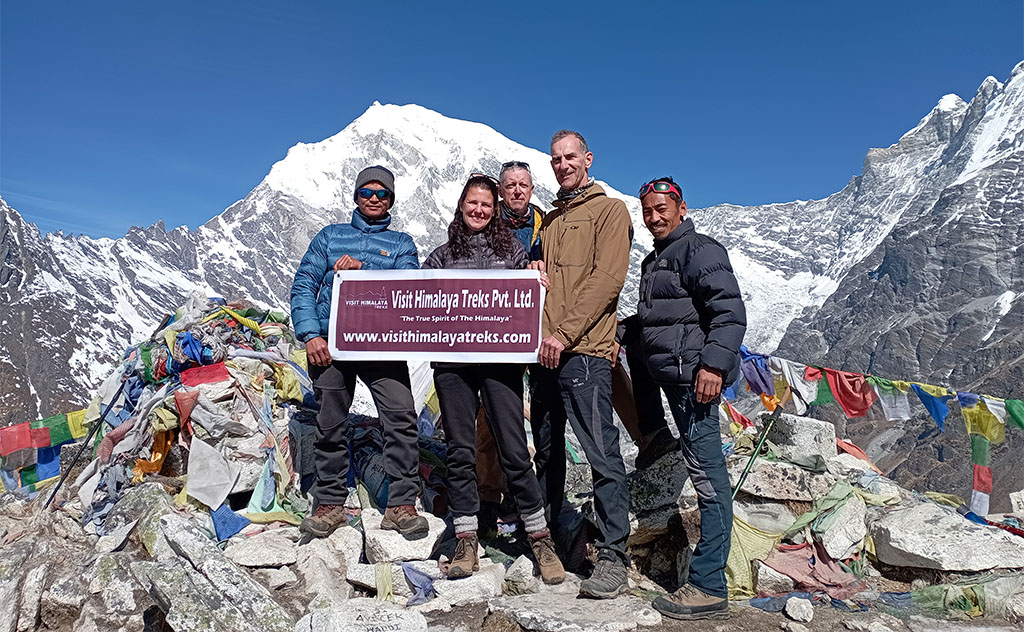
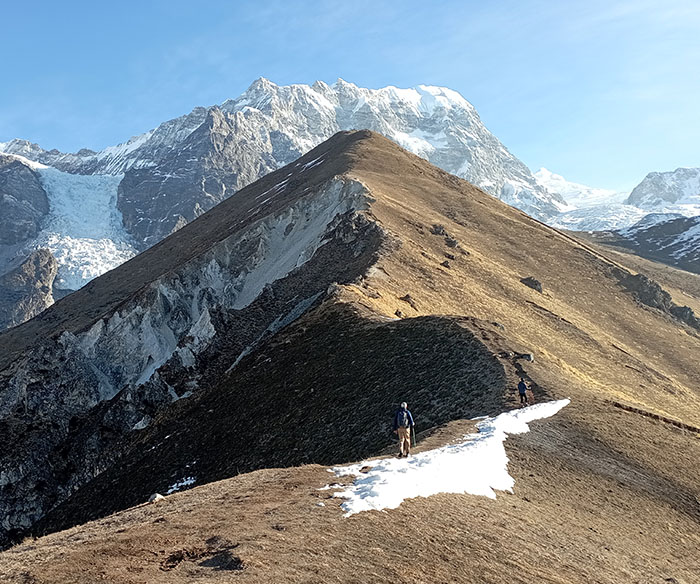
Reaching the Kyanjin Ri Viewpoint at 4,400 meters during the Langtang Valley Trek.
Why Choosing the Right Season Matters for the Langtang Trek?
Choosing the right season for the Langtang Valley Trek greatly affects your overall trekking experience. Weather conditions influence mountain visibility, trail safety, accommodation availability, temperature, and trekking comfort.
Some seasons provide clear mountain views and ideal trekking weather, while others offer lush green scenery, snow-covered landscapes, or unique cultural experiences. Understanding seasonal variations allows trekkers to prepare properly and select the best trekking period according to their interests and fitness level.
Spring Season in Langtang Valley Trek (March to May)
Spring is considered one of the best seasons for the Langtang Valley Trek. As winter snow gradually melts, the entire Langtang region becomes vibrant with blooming forests, fresh greenery, and pleasant weather. The trails are filled with colorful rhododendron flowers, especially in lower and middle elevations around Lama Hotel and Langtang Village.
The temperatures during spring are moderate and comfortable for trekking. Daytime conditions are usually warm enough for hiking in light trekking clothes, while evenings and early mornings remain cool, especially at higher elevations such as Kyanjin Gompa, Kyanjin Ri view Point, and Tserko Ri view point.
One of the biggest advantages of spring trekking is the stable weather and excellent visibility. The skies are often clear during mornings, offering stunning panoramic views of Langtang Lirung, Dorje Lakpa, Yala Peak, Gangchenpo, and the surrounding Himalayan ranges.
Spring is also an excellent season for nature lovers and photographers because Langtang National Park becomes rich with wildlife activity, alpine flowers, birds, and fresh mountain scenery. Trekkers may even spot Himalayan wildlife such as red pandas, Himalayan monals, and langur monkeys.
Although spring is popular among trekkers, the trails are generally less crowded compared to the Everest and Annapurna regions. Tea houses remain fully operational and provide good accommodation and food options throughout the route.
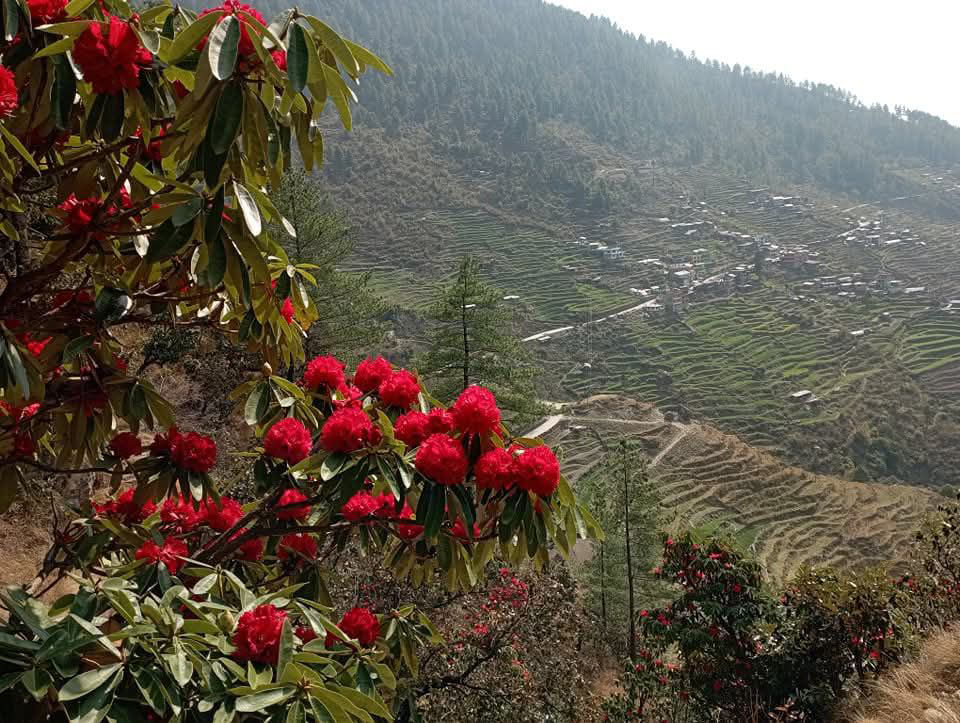
Rhododendron flowers bloom alongside the local village on the Langtang Valley Trek during the spring season.
Advantages of Spring Trekking
- Blooming rhododendron forests
- Moderate temperatures
- Stable weather conditions
- Excellent mountain views
- Rich natural beauty and wildlife
- Comfortable trekking environment
Challenges During Spring
- Slightly crowded during the peak April season
- Occasional afternoon clouds at higher elevations
- The temperature can still be cold at night
Summer/Monsoon Season in Langtang Valley Trek (June to August)
The summer and monsoon seasons bring heavy greenery and dramatic landscapes to the Langtang region. During this period, rainfall transforms the forests, hills, and valleys into lush green scenery filled with waterfalls, misty hills, and vibrant vegetation.
The lower regions become warm and humid, while higher elevations remain cooler and more comfortable. Rain usually occurs during afternoons or evenings, while mornings can still provide clear views and pleasant trekking conditions.
Monsoon trekking is ideal for travelers seeking peaceful trails and fewer crowds. Tea houses are quieter, and trekkers can enjoy a more private and relaxed trekking experience. The fresh mountain air, green forests, and flowing rivers create a unique natural atmosphere that many trekkers find beautiful and refreshing.
However, mountain visibility during the monsoon can be unpredictable. Clouds often cover the Himalayan peaks, especially in the afternoons. Transportation delays due to road conditions are also possible during heavy rainfall periods. Leeches may appear in lower forest sections during wet conditions, especially around Syabrubesi and Lama Hotel.
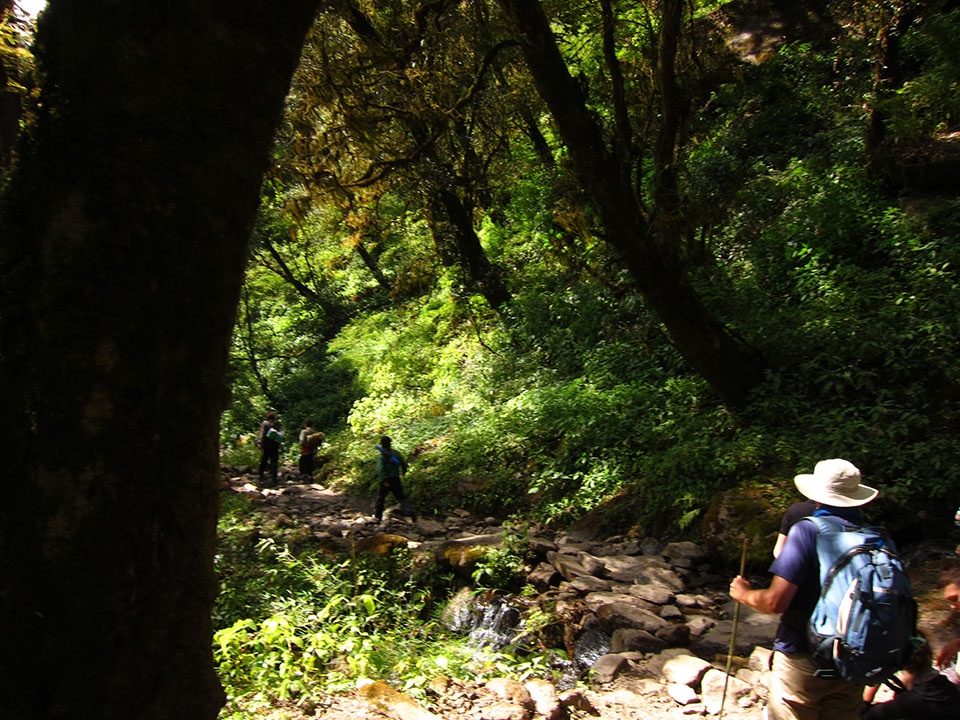
Summer/monsoon season in Langtang Valley Trek (June to August)
Advantages of Monsoon Trekking
- Beautiful green landscapes
- Fewer trekkers on the trail
- Peaceful trekking atmosphere
- Fresh forests and waterfalls
- Less crowded tea houses
Challenges During Monsoon
- Rain and muddy trails
- Limited mountain visibility
- Slippery trekking paths
- Possible road delays and landslides
- Presence of leeches in lower forests
Autumn Season in Langtang Valley Trek (September to November)
Autumn is widely considered the best overall season for the Langtang Valley Trek. After the monsoon rains wash away dust and pollution, the skies become crystal clear, and the mountain scenery reaches its absolute best.
The weather during autumn remains dry, stable, and comfortable for trekking. Daytime temperatures are pleasant, while nights are cool but manageable with proper clothing. Visibility is exceptional, making autumn the ideal season for mountain photography and panoramic Himalayan views.
The landscapes remain fresh and green after the monsoon, while the clear blue skies create perfect contrasts with the snow-covered Himalayan peaks. Trekkers can enjoy uninterrupted views of Langtang Lirung, Dorje Lakpa, Gangchenpo, and the surrounding mountains almost every day.
Autumn is also Nepal’s major festival season. Trekkers visiting during September and October may witness important Hindu festivals such as Dashain and Tihar. Villages become lively with cultural celebrations, music, decorations, and family gatherings.
Because of ideal trekking conditions, autumn is the busiest trekking season in Nepal. Tea houses and trekking routes in Langtang become more active with international and domestic trekkers. Advance booking is recommended during the peak October periods.
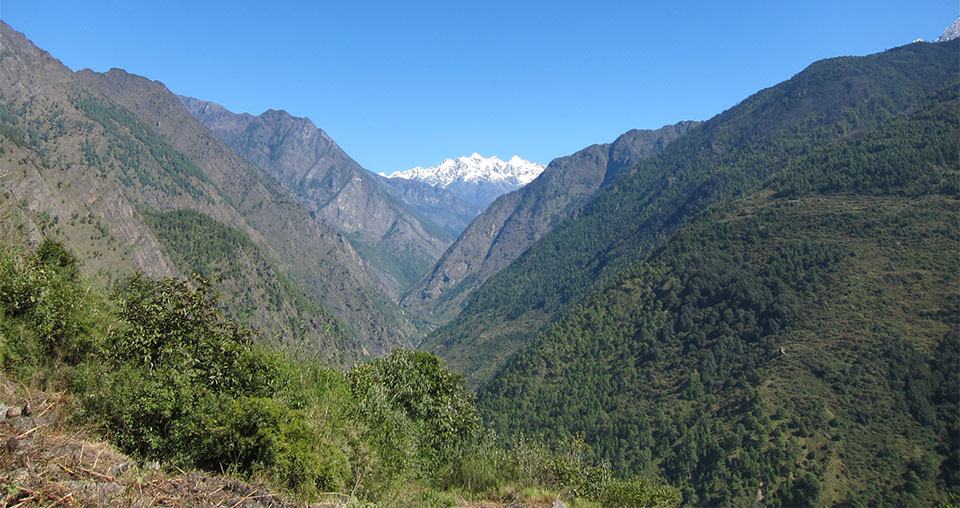
Autumn Season in Langtang Valley Trek (September to November)
Advantages of Autumn Trekking
- Crystal-clear mountain views
- Dry and stable weather
- Comfortable trekking temperatures
- Best season for photography
- Beautiful post-monsoon scenery
- Cultural festival experiences
Challenges During Autumn
- More trekkers on popular routes
- Tea houses can become busy in peak season
- Slightly higher trekking costs during October
Winter Season in Langtang Valley Trek (December to February)
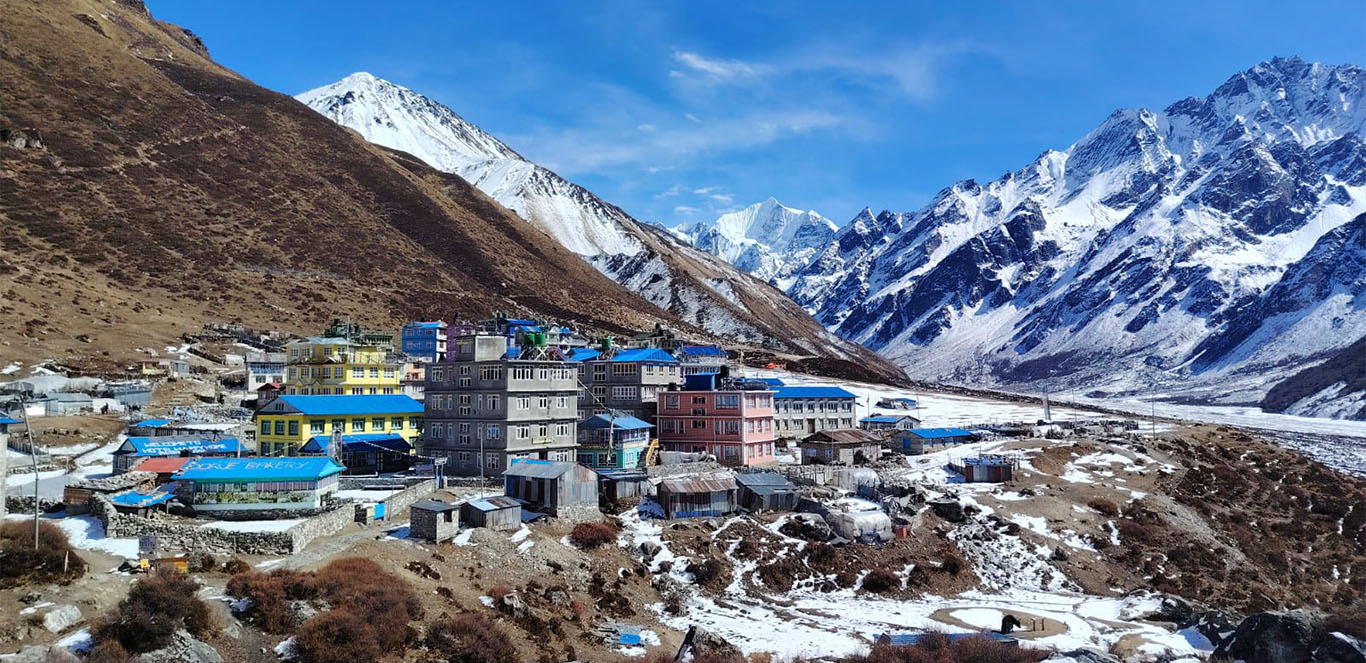
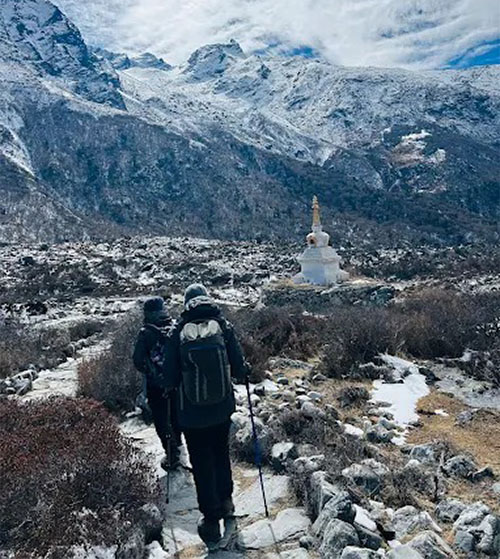
Winter transforms the Langtang region into a peaceful, snowy Himalayan paradise. The mountain landscapes become dramatic with snow-covered trails, frozen streams, and white alpine scenery surrounding the valley.
The weather during winter is usually dry and stable, but temperatures drop significantly, especially during nights and early mornings. Higher elevations such as Kyanjin Gompa, Tserko Ri, and surrounding viewpoints can experience heavy snowfall and sub-zero temperatures.
Despite the cold conditions, winter trekking offers some of the clearest mountain views of the year. The skies are often incredibly clear after snowfall, providing breathtaking Himalayan panoramas and excellent photography opportunities.
One of the major advantages of winter trekking is the peaceful environment. The trails are much quieter, allowing trekkers to enjoy solitude, silence, and a deeper connection with the mountains and nature.
Tea houses remain open in many parts of the Langtang route, although some facilities may be limited at higher elevations during heavy snow periods. Winter trekking requires proper preparation, warm clothing, and good physical fitness due to cold temperatures and occasional snow-covered trails.
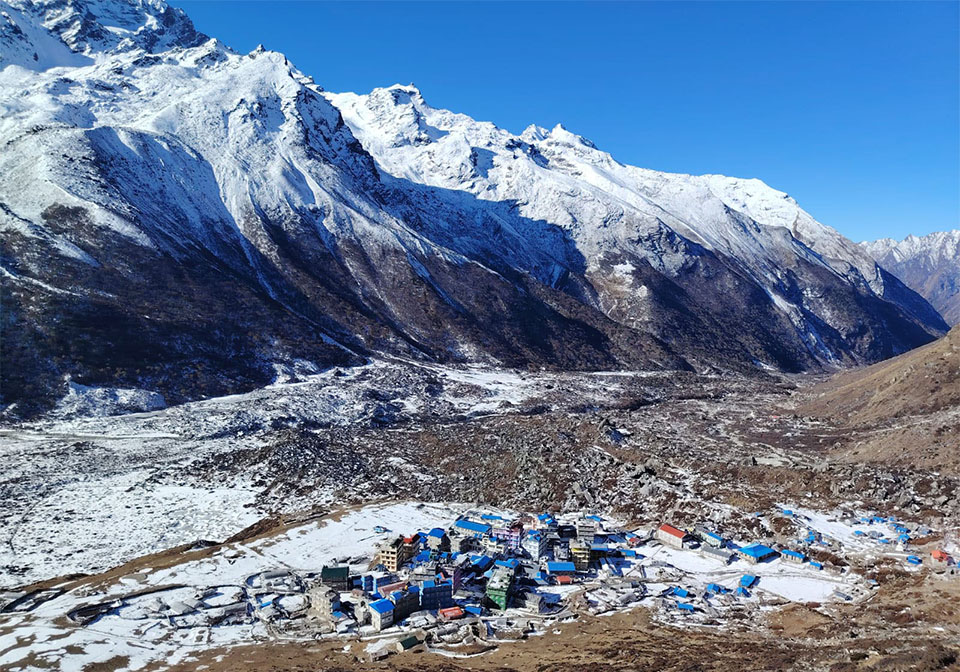
Winter Season in Langtang Valley Trek (December to February)
Advantages of Winter Trekking
- Peaceful and uncrowded trails
- Snow-covered Himalayan scenery
- Excellent mountain visibility
- Unique winter landscapes
- Quiet tea house experience
Challenges During Winter
- Extremely cold temperatures
- Snow-covered and icy trails
- Risk of heavy snowfall at higher elevations
- Limited facilities in remote areas
- Shorter daylight hours
Best Time for Langtang Valley Trek According to Experts
Most trekking experts and guides recommend spring (March to May) and autumn (September to November) as the best times for the Langtang Valley Trek. These seasons provide the best balance of weather, visibility, temperature, and trekking comfort.
Among all months, October is often considered the single best month due to stable weather, dry trails, excellent visibility, and pleasant temperatures.
FAQs – Langtang Valley Trek Best Time of the Year: -
What is the best overall season for the Langtang Valley Trek?
The best overall seasons for the Langtang Valley Trek are spring (March to May) and autumn (September to November). These seasons offer stable weather, clear mountain views, comfortable temperatures, and the best trekking conditions.
Which month is considered the best for the Langtang Valley Trek?
October and November are widely considered the best months for the Langtang Valley Trek because of crystal-clear skies, dry weather, excellent visibility, and pleasant trekking temperatures.
Is the Langtang Valley Trek possible during winter?
Yes, the Langtang Valley Trek is possible during winter. However, trekkers should be prepared for very cold temperatures, snow-covered trails, and freezing nights at higher elevations like Kyanjin Gompa and Tserko Ri.
Can beginners trek in Langtang Valley during spring or autumn?
Yes, spring and autumn are highly recommended for beginners because the weather is more stable, trails are safer, and temperatures are moderate compared to winter and monsoon seasons.
Does it rain heavily in Langtang during the monsoon?
Langtang receives moderate monsoon rainfall between June and August. While the region is greener and quieter during this season, trekkers may experience muddy trails, cloudy skies, and occasional transportation delays.
Which season offers the best mountain views in Langtang?
Autumn Season offers the clearest and most spectacular mountain views. After the monsoon rains, the atmosphere becomes clean, and visibility is excellent throughout the trek.
Is spring better than autumn for the Langtang Valley Trek?
Both seasons are excellent but offer different experiences. Spring is famous for blooming rhododendron forests and colorful landscapes, while autumn is preferred for crystal-clear mountain views and stable weather.
What are the coldest months in Langtang Valley?
December and January are the coldest months in the Langtang region. Temperatures at higher elevations can drop below freezing during nights and early mornings.
Are tea houses open throughout the year in Langtang?
Yes, most tea houses along the Langtang Valley Trek remain open year-round, though some higher-altitude lodges may offer limited services during heavy winter snowfall.
Which season is best for photography during the Langtang Trek?
Autumn is considered the best season for photography because of clear skies, sharp mountain views, vibrant landscapes, and excellent natural lighting conditions.
Is monsoon trekking in Langtang dangerous?
Monsoon trekking is generally manageable, but trekkers should be cautious about slippery trails, landslides, heavy rain, and transportation disruptions. Proper rain gear and experienced guides are recommended.
What is the warmest season for the Langtang Valley Trek?
Spring and early monsoon are usually the warmest periods for trekking in Langtang Valley, especially at lower elevations.
Which season has fewer crowds in Langtang?
Winter and monsoon seasons have significantly fewer trekkers compared to spring and autumn, making them suitable for travelers seeking peaceful trekking experiences.
Is altitude sickness possible in every season?
Yes, altitude sickness can occur in any season because the trek reaches elevations above 3,500 meters. Proper acclimatization, hydration, and gradual ascent are important year-round.
Can I see snow during the Langtang Valley Trek?
Yes, snow is common during winter months and occasionally during late autumn or early spring at higher elevations such as Kyanjin Gompa, Kyanjin Ri viewpoint, and Tserko Ri viewpoint.